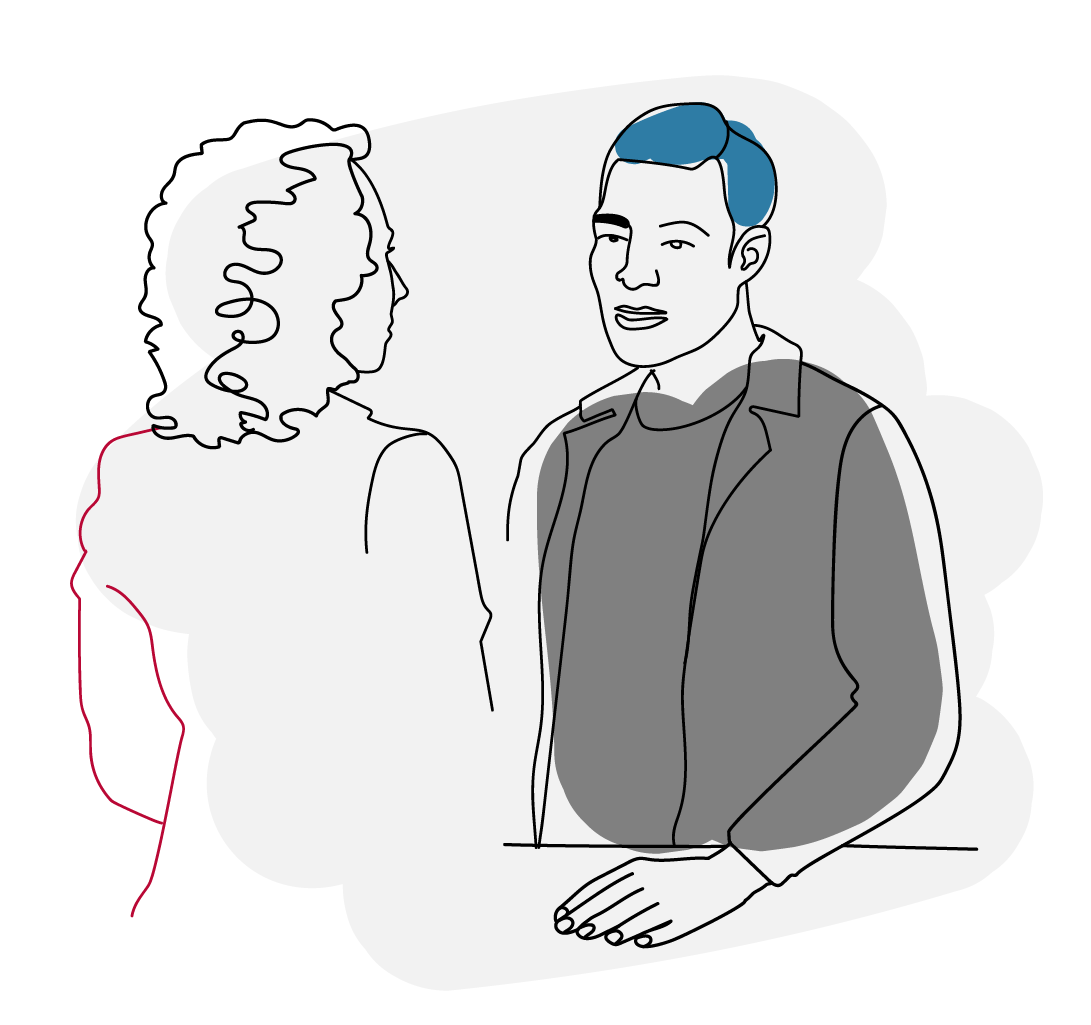
You say that you want to apply for international protection
You can tell the border police at the Swedish border that you want international protection. In Sweden, you can also tell the police, the Swedish Migration Agency or the Swedish Prison and Probation Service. Then, this happens:
The police or the Swedish Migration Agency do a first check of your identity
You submit your passport or other identity documents
To show who you are and where you come from, you must submit a passport or identity card from your country of origin. We will register you with the name and gender specified in your identity documents. If you have a different gender identity than what is stated there, or if you want us to use a different name or pronoun, please tell us. Also let us know if you have special grounds for wanting an interpreter or case officer of a particular gender, or if you do not want to share a room with persons of a particular gender.
You are fingerprinted
Your fingerprints are used to see who you are and if you have applied for international protection in any other EU country, Iceland, Liechtenstein, Norway, or Switzerland, or if you have a permit or are subject to a travel ban in any of these countries. If you have already applied for international protection in one of these countries, we will investigate which country will be responsible for examining your application. Your application will then be handled according to the so-called “AMMR Process”. The Asylum and Migration Management Regulation (AMMR) determines which country will be responsible for your application.
Children under 6 years of age do not need to be fingerprinted.
You are photographed
Your photo will be used for two proofs: a paper as proof that the Swedish Migration Agency has registered your application, and an application card showing that you have submitted a complete application for international protection and are allowed to stay in Sweden while you wait for a decision.
You get to do a first health check
The health check is carried out by medical staff and the purpose is to give you emergency help if you need it, and to check whether you have any infectious diseases.
You get to have a first conversation with a case officer
With the help of an interpreter, you can explain who you are and tell us why you have left your country of origin, and how you travelled to Sweden. You will be asked questions about your family and how you are feeling. Let us know if you have special needs, for example due to a disability.
You receive information
You will receive written information about the application process and what you need to do. We tell you about the right to free legal advise, and that you need to request to get it in order for us to assess whether you have the right to it.
You will also receive information about practical issues, such as your right to accommodation, financial aid, care, and schooling for your children.
During the meetings with the Swedish Migration Agency, you are always welcome to ask questions if you have any queries.
You are summoned to submit your application
You will receive a summons and an application form to submit your application for international protection. This is when you must tell us why you need international protection. You must also submit documents and other records to prove it.
You may also receive a summons to one or more interviews.
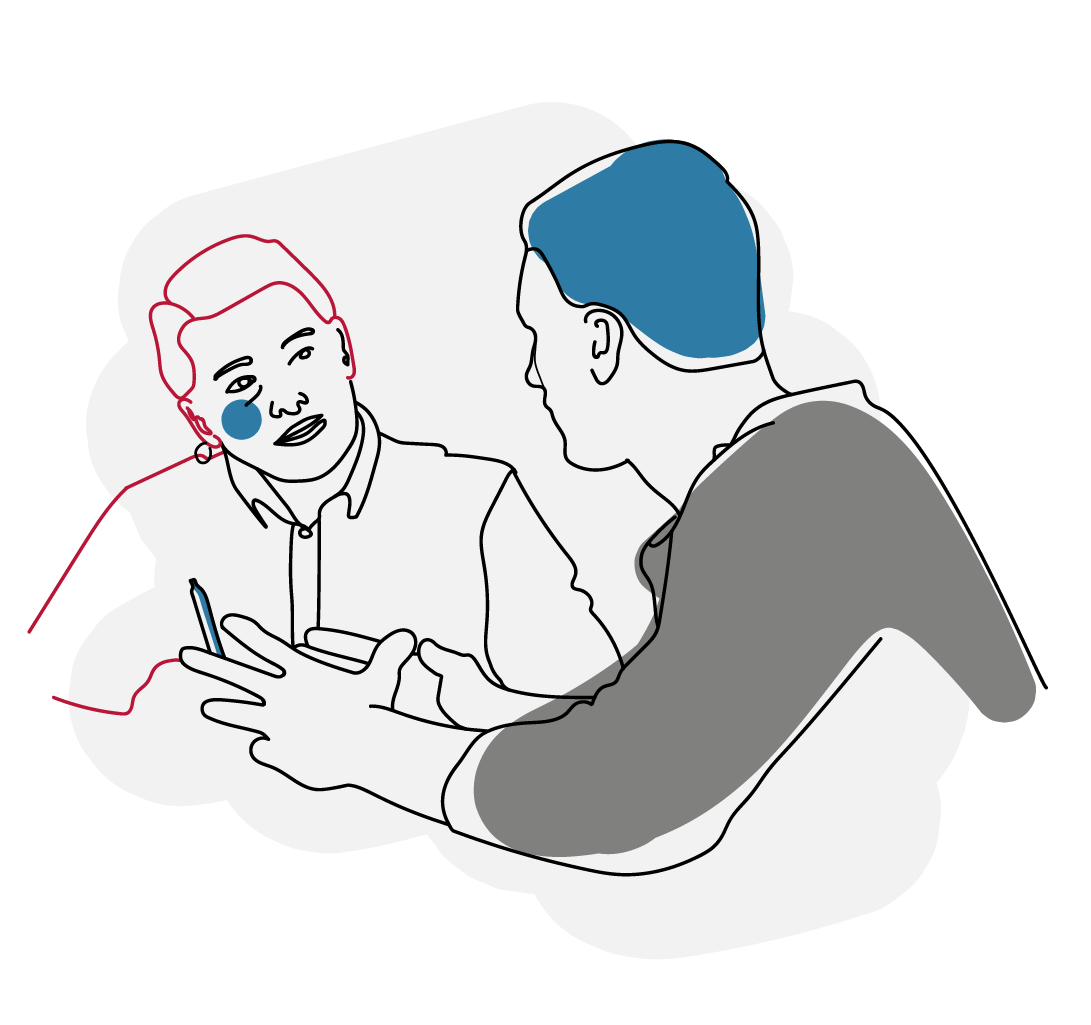
You submit your application
To the meeting when you are going to submit your application for international protection, you must bring
- the completed application form
- documents and other records that you want to submit in support of your application for international protection
- identity documents that you have not already submitted.
If needed, an interpreter will be present at the meeting. The Swedish Migration Agency’s case officer will ask you questions about what you tell us and the documents you submit.
The case officer and the interpreter are all sworn to secrecy. That means they are not allowed to share what you have said with anyone who does not have the legal right to know.
You participate in one or more interviews
At interviews, an interpreter is present. The case officer will tell you what the interview is about and what rights and obligations you have. For example, you are required to speak the truth and not withhold anything that may be important for us to assess whether you need protection.
You must tell us who you are, where you come from, why you are applying for international protection, and what you think will happen to you if you have to return to your country of origin. You will also be asked questions about your family, your health and your situation in your country of origin. It is your responsibility to tell us all your grounds for applying for international protection. If you have evidence that you want the Swedish Migration Agency to consider, you should submit it.
At the end of the interview, you can ask questions about the application process or anything else related to your contact with the Swedish Migration Agency.
What you all say during the interview is recorded. The case officer also writes down what is said and compiles it into a report. You will have the opportunity to review what has been documented. The report and the recording will be saved along with the documents you have submitted.
Children who apply for international protection
Every child has the right to speak and be heard. Children who apply for international protection together with their parents also have the right to talk to their case officer at the Swedish Migration Agency. Children have the right to receive the same thorough investigation and examination of their grounds for protection as adults – and a child may have other grounds for protection than their parents. When a child’s grounds for protection are investigated, the Swedish Migration Agency case officer must do as much as possible to adapt the investigation to the child’s age, maturity and health. Children have the right to have an adult with them during their interviews. This could be a parent, another legal guardian or a representative. Unaccompanied minors always have the right to have their representative with them during the investigation.

The Swedish Migration Agency’s processes
After the meeting where you submitted your application and any interviews, we will review all the information in your application and determine whether we can examine your application and if you can be granted international protection.
We will contact you if we need more information.

Waiting time while we process your application
Now you must wait. All applications are different and therefore take different lengths of time to investigate.
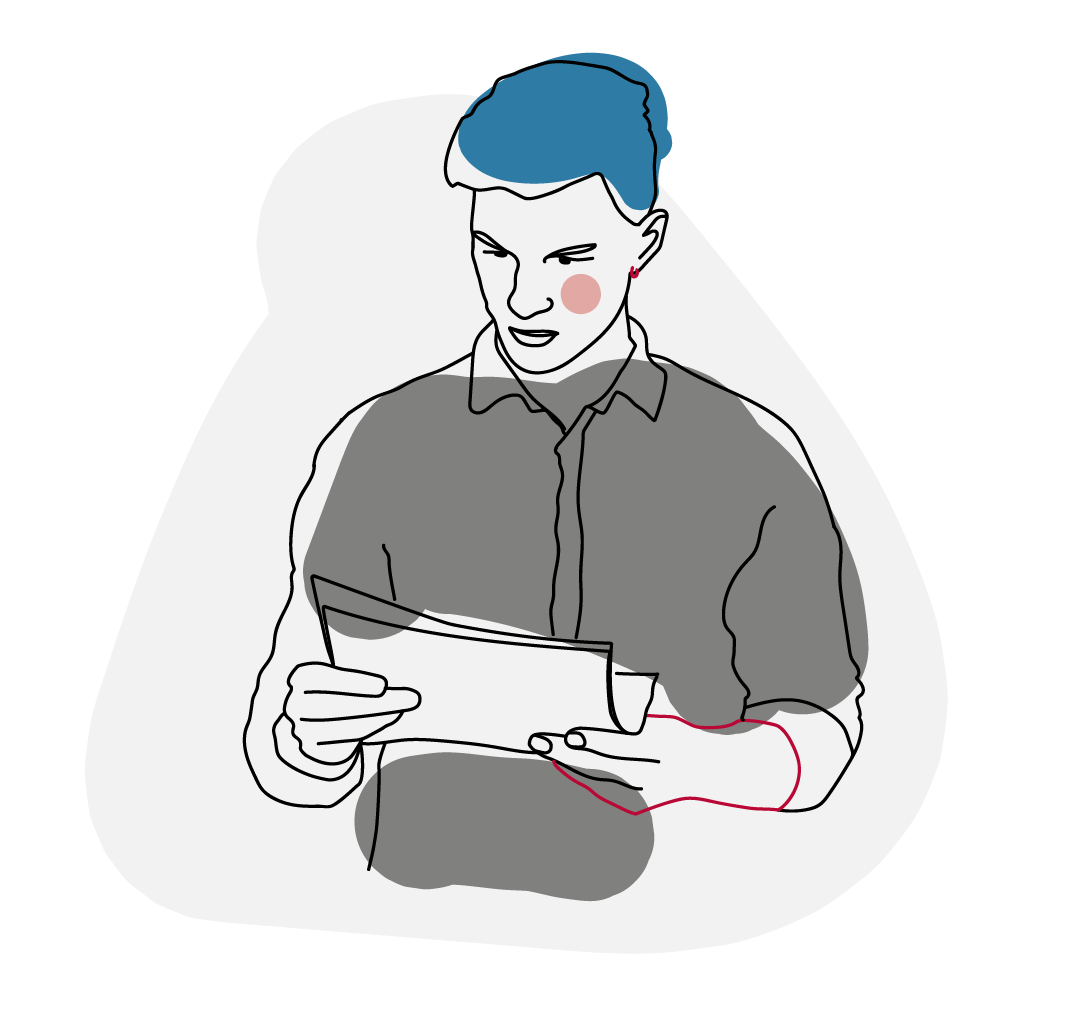
You receive our decision
We will inform you about the decision at a meeting at which you meet with a case officer who will explain the decision to you with the help of an interpreter. You will also receive information about what you can do if you are not satisfied with the decision.
The decision is based on your story and the documents you have submitted in support of what you have told us about your identity and your reasons for seeking international protection, as well as the Swedish Migration Agency’s knowledge of the situation in your country of origin.
If you are granted international protection, you will get a residence permit and you have the right to live and work in Sweden as long as the permit is valid.
If you are not granted international protection, you must prepare to leave the country.