You want to extend International protection (asylum)You want to extend International protection (asylum)
You have a residence permit in Sweden because you have previously applied for international protection (asylum) or are a family member of someone who has previously applied for international protection (asylum) and who has a temporary residence permit, and you now want to extend your permit.
If you have protection status, you may be granted an extended residence permit due to your need for protection. This means that you remain subject to persecution or are at risk of persecution, or that you risk torture or other inhumane treatment in your country of origin.
If you do not have a residence permit on the grounds of protection now, and want to apply for international protection, you must visit one of the Swedish Migration Agency’s reception and return centres in Malmö, Göteborg, Stockholm or Boden.
You do not need to attach any documents
If you are applying for an extended residence permit because you need protection, you do not need to attach any documents to your application. We will contact you if we need more information.
You can get an extended residence permit if you are a family member of a person with a residence permit in Sweden. The following people count as family members:
If you currently have a residence permit because you are a family member of a person who has applied for international protection and been granted a residence permit, you can be granted an extended residence permit if you are still living together.
You can also apply for an extended residence permit on the grounds of a new family relationship. This applies both if you have been granted a residence permit after applying for international protection and if you have been granted a residence permit as a family member of someone who has been granted international protection. A “new family relationship” means that you do not already have a residence permit based on the fact that the person in question is a member of your family. The person in question can be a new family member, such as a new spouse or a newborn child, but they can also be someone who has long been a member of your family.
Information about your relationship
If you apply for an extension because you are a family member of someone in Sweden, you will be asked questions about who your family member is and about your relationship. The Swedish Migration Agency will check with the Swedish Tax Agency to find out whether you are registered at the same address. In some cases, we may also contact your family member to ask questions.
You need to have a valid passport
To be granted a residence permit on the grounds of ties to a family member, you must have a valid passport. Ideally, it should be a national passport. If it is not possible for you to obtain a national passport, you can apply for an alien’s passport. You can never be granted a residence permit for longer than the validity of your passport.
If you have or are granted refugee or subsidiary protection status, no passport is required to be granted an extended residence permit.
You do not need to submit your passport or a copy of your passport when you apply for an extended residence permit. The Swedish Migration Agency will contact you if we need to verify your passport.
You must attach these documents
If you came to Sweden as a family member of a spouse, registered partner or cohabiting partner who has applied for international protection and been granted a residence permit, and you are still living with the same person, please submit the form:
If you came to Sweden as a family member of a child or parent and want to apply for a residence permit extension because of your family ties to that person, you do not need to submit any documents.
If you want to stay in Sweden because you have a new family relationship, please submit the form:
It is very difficult to obtain a residence permit for a person who does not need protection against persecution or other treatment that constitutes grounds for asylum, or who does not meet the requirements for a residence permit on any other basis. This requires exceptionally distressing circumstances. In these cases, the Swedish Migration Agency makes an overall assessment of, among other things, your health status, your adaptation to life in Sweden, and the situation in your country of origin.
You do not need to attach any documents when you apply for an extended residence permit on the grounds of exceptionally distressing circumstances. We will contact you if we need more information.
From 1 October 2026, if you have a residence permit as a child based on family ties but have now turned 18, you can also apply to extend your permit based on family ties.
Requirements for extending a residence permit based on family ties if you are aged 18–20
You have a residence permit to live with a relative or parent in Sweden
You must have a valid passport
Your relative or parent, or you and your relative or parent together, must be able to support you both
Requirements for extending a residence permit based on family ties if you are aged 21 or over
You must still live with the person whom you were granted a residence permit to live with when you first applied
There must be a relationship of particular dependency between you and the person you live with A relationship of particular dependency means that the dependency must go beyond what normally exists between, for example, parents and their adult children.
You must have a valid passport
Your relative, or you and your relative together, must be able to support you both
You can apply for an extension no sooner than two months before your current permit will expire. Only then can you log in to the e-service. You must apply before your current permit expires. If the permits of multiple members of your family will soon expire, you should all apply for an extension at the same time.
If you apply too late
If you apply for too late, i.e. after your residence permit has expired, you will not be able to work while you wait for a decision. You also risk losing certain benefits, such as establishment support, study allowance or parental allowance.
Moreover, if you apply too late, there is a risk your application will be rejected because you will have been in Sweden without a valid residence permit.
If you previously received an expulsion order and it is still valid, and you do not apply for an extension in time, this can mean that you must leave the country, in accordance with the decision, as soon as your residence permit expires.
Both you and your family must apply for an extension in the same manner. The easiest way for all of you to apply is to apply in the e-service, using e-ID. In the application, each person must state why they want to stay in Sweden.
You can apply for an extended residence permit for a child under the age of 18 of whom you are the parent/legal guardian. Both the child’s parents/legal guardians in Sweden must sign the application. The other parent/legal guardian must therefore sign the form Confirmation of application for residence permit for child (207011), which you must attach to the application.
In these cases, it costs nothing to apply for an extended residence permit:
You have a residence permit as a refugee or person eligible for subsidiary protection.
You have a residence permit as a family member (spouse, cohabiting partner, or child under 18 years of age) of a person who has been granted a residence permit in Sweden as a refugee, person eligible for subsidiary protection, or on the grounds of exceptionally distressing circumstances.
In these cases, you must pay a fee to apply for an extended residence permit:
You are applying for an extended residence permit on the grounds of exceptionally distressing circumstances.
You have a residence permit as the parent of a child who came to Sweden alone and who has been granted a residence permit as a refugee or person eligible for subsidiary protection.
Adult: SEK 1,500 Child under 18 years of age: SEK 750
You apply
If you want to extend your residence permit, fill in the application and attach the necessary documents. It is easiest to apply via the e-service. Submit your application before your current residence permit expires, but no more than two months before that deadline.
If the application concerns a child, it must be submitted by a parent or other legal guardian. If both parents/legal guardians are in Sweden, both must sign the application.
Waiting time before we start examining the application
Now follows a period of waiting until the Swedish Migration Agency takes a closer look at your application.
The Swedish Migration Agency processes your application
The Swedish Migration Agency reviews all the information in your application and investigates whether you can be granted a residence permit. We can make a decision more quickly if your application is complete. If information is missing, we will contact you to ask you to complete your application. In that case, processing may take longer.
Log in to My page
By logging in to My page, you can access information about your application and use our services.
In some cases, you need a passport to be granted a residence permit. In these situations, the Swedish Migration Agency needs to check your passport before we can make a decision.
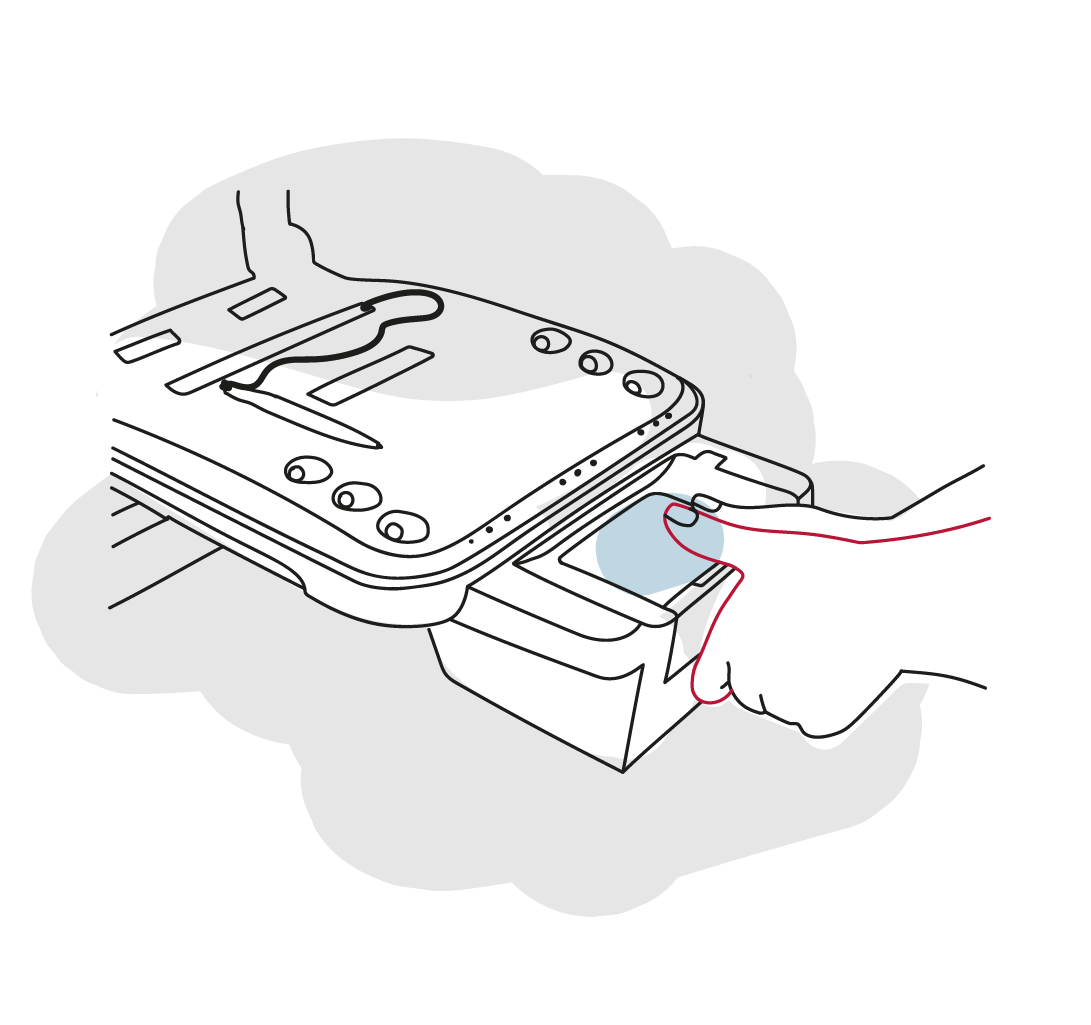
If you need to present your passport, we will contact you and ask you to book an appointment with the National Government Service Centre. Then you can also get fingerprinted and photographed for your residence permit card, because it will need to be renewed if you are granted an extended residence permit.
You need to be photographed and fingerprinted
In order to get a new residence permit card, you need to be photographed and fingerprinted. We will contact you with information about how and when to do this.
Once the Swedish Migration Agency has made a decision, we will send you a letter. Usually, we use “simplified service”, which means that we post a letter containing the decision to your home address. In some cases, you will receive a summons asking you to come to a meeting at the Swedish Migration Agency so a case officer can tell you about the decision.
If you have applied for a residence permit extension for your child, the Swedish Migration Agency will send the decision or summons to a meeting to the child's registered address.
When you receive the decision, you can find out the reasons on which we based it. If you are granted a residence permit, you have the right to live and work in Sweden as long as the permit is valid. If your application is rejected, you must prepare to leave the country.
In order for your application to be considered complete, you may need to submit documents showing that you meet the requirements for an extended permit. The documents you must submit depend on why you want to stay in Sweden.
You apply for your child in the e-service using your e-identification. If you have multiple children, you can submit multiple applications, but keep in mind that you must complete and submit the application for each person before you can log in again to submit a new application for someone else.
If your child has two parents/legal guardians in Sweden, the other parent/legal guardian must give their consent by signing the form:
Attach the form in the e-service when you submit the child’s application. You must fill in and upload one form for each child, otherwise we cannot handle the child’s application.
If you need to attach documents, you can do so in the e-service when you apply. If you submit the application without uploading the required documents for the application, you must send the missing documents to the Swedish Migration Agency by post within two weeks.
When we examine your application, we will make a decision based on the information we have received.
Yes, children without a parent/legal guardian in Sweden can apply for themselves in the e-service if they have an e-ID. The Swedish Migration Agency will then contact the child’s representative or guardian or alternatively the child’s specially appointed legal guardian to have the application confirmed. If the child does not have an e-ID, their representative or guardian can submit an application for the child by post.
No, a representative cannot use the e-service to apply for you. Anyone applying for a residence permit must log in with their own e-identification. Parents/legal guardians can log in using their e-ID(s) and apply for a residence permit extension for their child(ren) who are under the age of 18.
If a representative is assisting you with your application, you must submit the application by post and attach a written power of attorney.
Each family member, including children, must fill in their own application form. Parents/legal guardians should fill in the form for their child, but keep in mind that the questions are then addressed to the child themselves.
Remember to sign your form. Parents/legal guardians sign their children's forms. If the child has two parents/legal guardians, both must sign.
New rules on immigration due to family ties come into force today. These include stricter requirements for people in Sweden whom family members wish to join and an increase in the amount required to meet the maintenance requirement. At the same time, young adults will have greater opportunities to stay with their parents in Sweden and a temporary opportunity to apply for another type of permit without leaving Sweden.
A new Reception Act comes into force on 1 October. It replaces the Act on Reception of Asylum Seekers (LMA) and introduces changes for people who apply for protection in Sweden. If you have applied for international protection (asylum), the new rules will affect, among other things, your daily allowance, where you are allowed to stay and how often you need to be in contact with the Swedish Migration Agency. If you need daily allowance after 1 October, you must reapply for it.
The Swedish Migration Agency has a new logo. On 24 September, the new logo will replace the old logo on the Agency’s website. The new logo will be rolled out gradually across all digital services and communications.
All LMA cards for asylum seekers must be replaced by application cards at the latest by 1 October 2026. If you have an LMA card, this means that you need to exchange it for an application card.
From 12 July, as a general rule, permanent residence permits will no longer be granted. Consequently, some people with temporary residence permits may apply for Swedish citizenship without having a permanent residence permit.
Following changes to the law, it is no longer possible for people who have a permit on the grounds of protection to be granted a permanent residence permit (PUT).
On 12 June 2026, the EU's Pact on migration and asylum is introduced. Among other things, this means that the EU will have common rules about how migrants will be controlled at the border, and what the procedure is when somebody applies for international protection (asylum).
The EU Reintegration Programme (EURP) provides support for people returning to their country of origin after their application for asylum has been rejected or when they no longer have the right to remain in the EU. The levels of assistance available under the programme are now being revised.